
Season planning
Your November 2026 Women’s College Basketball Viewing Guide
November is the month when a schedule starts turning into evidence. Preseason expectations meet unfamiliar rotations, new combinations face real defensive press
By Basketball Schedule Editorial Team · Published · Updated · 8 min read
The practical starting point
November is the month when a schedule starts turning into evidence. Preseason expectations meet unfamiliar rotations, new combinations face real defensive pressure and neutral-site events place strong programs beside opponents they do not see every week. The most interesting viewing list should reflect those basketball questions, not simply repeat the most recognizable school names.
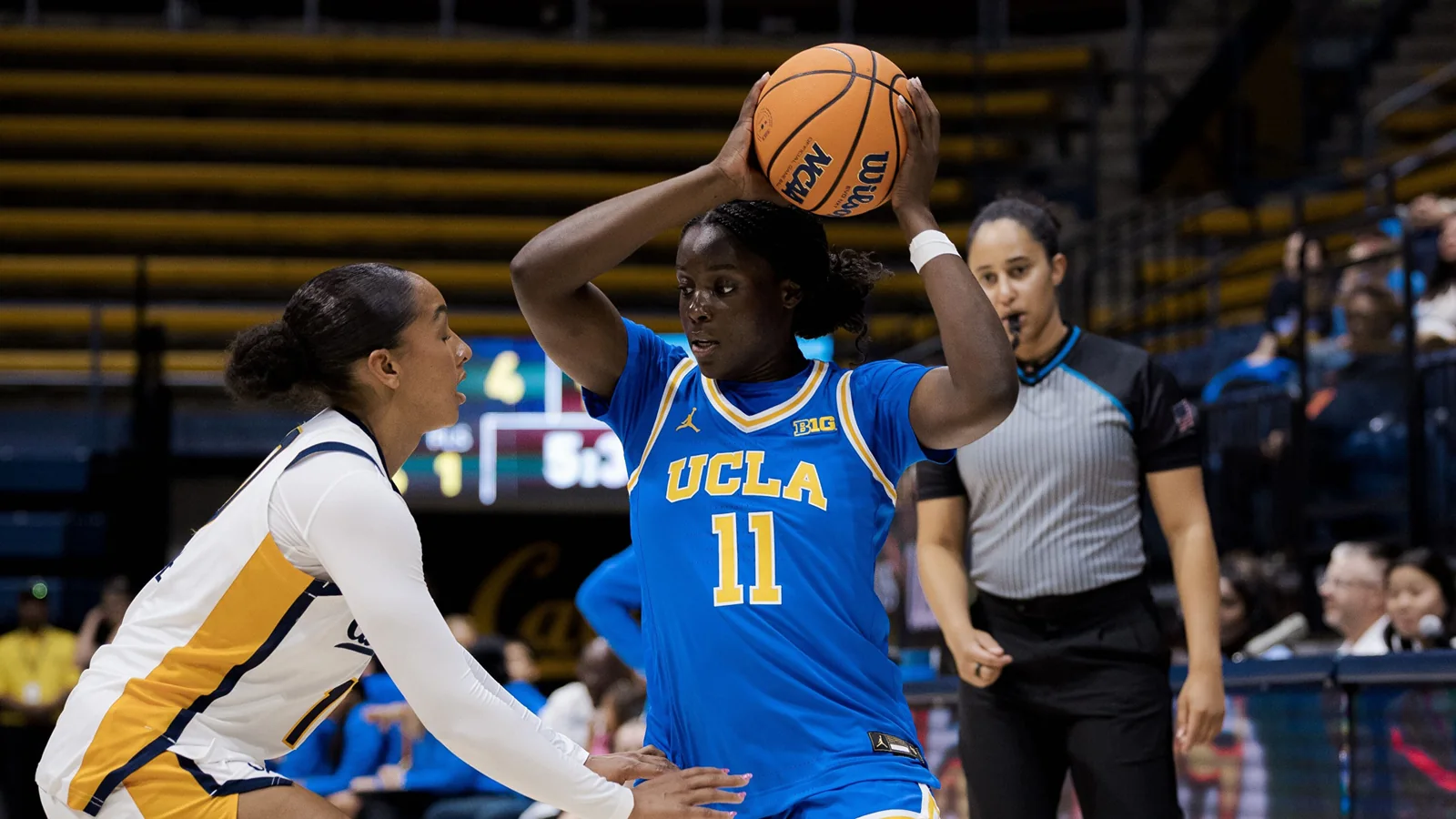
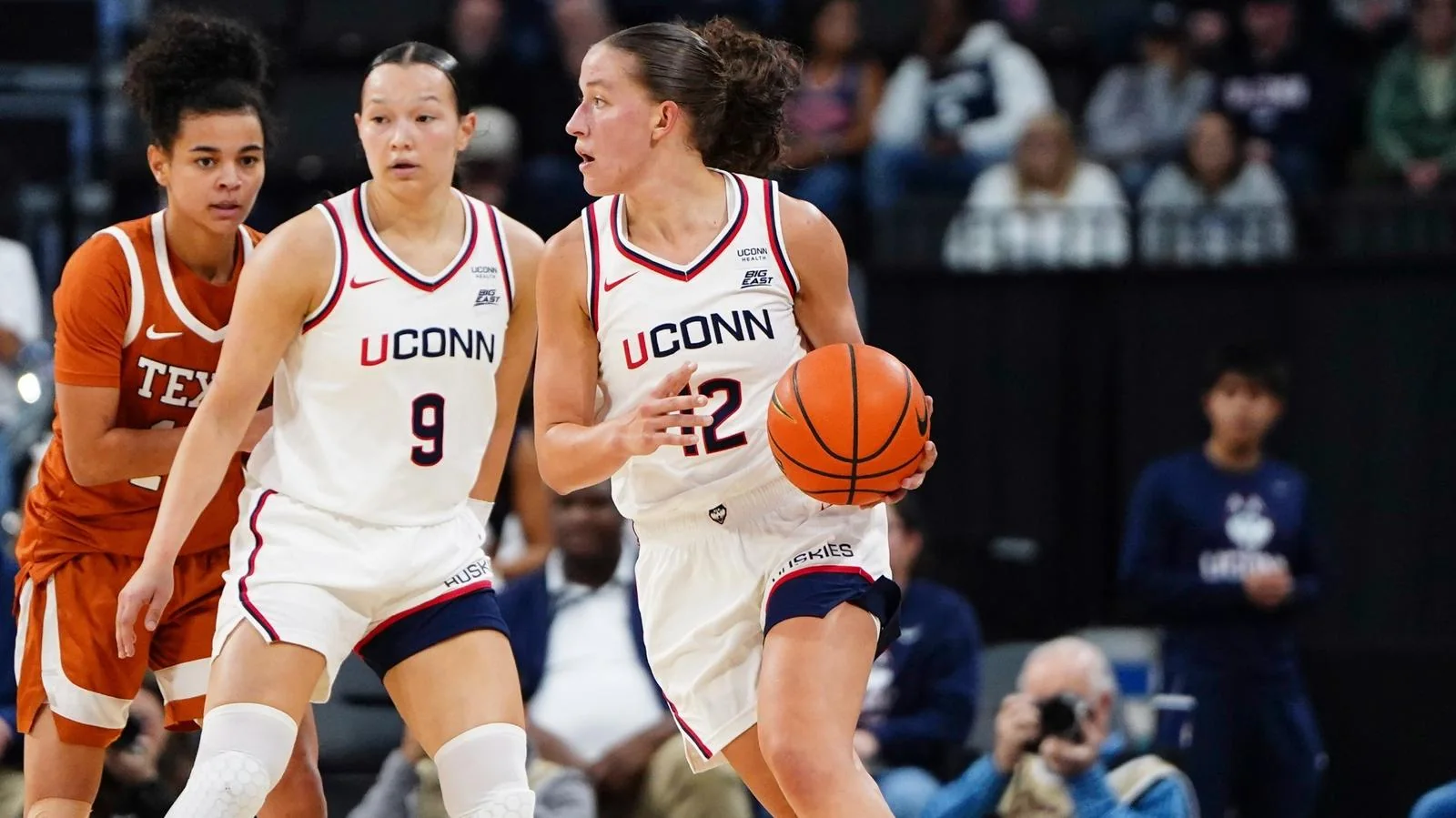
Begin with the confirmed schedules of the teams you follow. Look for a mixture of competitive tests: a demanding road date, a matchup between contrasting styles and an event where several interesting programs appear in the same viewing window. UConn, South Carolina, Iowa, LSU, USC and UCLA are useful starting points for exploring the national picture, but a good November guide should leave room for programs outside the biggest promotional campaigns.
The dates, channels and available lineups must be checked separately from the reasons a game looks appealing. This article is a framework for choosing and evaluating November games, not an assertion that an unannounced matchup is on the calendar. Use the linked schedule pages for the current fixture information and the official institutions to confirm anything that affects a purchase or travel plan.
I would choose one question for each game on the list. Can a new ball handler organize the offense against pressure? Will an undersized lineup survive on the defensive glass? Does a team create good shots when the pace slows down? A question gives you something to follow even if the score becomes less competitive than expected.
That approach also makes the month more enjoyable. You are not trying to watch everything or turn the first upset into a national verdict. You are building an informed picture of how different teams solve problems, then checking whether the next opponent changes what you thought you learned.
Create a short list rather than an impossible watch list
A packed schedule can make following basketball feel like managing a second job. Start with a realistic number of games and give each one a reason to be there. You might choose a favorite team's biggest test, a matchup between contrasting styles and an unfamiliar program you want to understand. That is a more rewarding plan than collecting every recognizable name.
Keep the distinction between interest and obligation. You do not need to watch an entire slate to form a useful picture of the season. A full game watched attentively can teach you more than half a dozen broadcasts running in the background. Leave room for a surprise matchup that becomes interesting as the month develops.
Set aside time for a brief review after the games you prioritize. Check the final statistics, read the official recap and revisit the question that made you choose the contest. This closes the loop between preview and result. It also makes your next set of choices better informed instead of allowing the viewing list to be driven entirely by the loudest promotion.
Give early results the right amount of weight
The opening weeks supply useful clues, not a complete verdict. A strong performance against a particular style can show what a team is capable of, but it does not establish that the same plan will work against every opponent. The schedule, venue and available rotation all affect how much can reasonably be inferred from one result.
Look for repeatable features. Reliable decision-making under pressure, consistent defensive communication and the ability to create useful shots are more meaningful than one extraordinary shooting percentage. Even those qualities need to be tested against different levels and types of opposition before they become a strong basis for a season-long assessment.
I find it more helpful to frame an early observation as a question for the next game. Can the team repeat that rebounding effort away from home? Does the second unit still protect the ball against stronger pressure? That approach keeps the discussion grounded while giving readers a concrete reason to follow the schedule beyond the first impressive scoreline.
Compare opponents by the problems they create
A useful matchup preview begins with style rather than a list of famous names. Ask how each team wants to create shots, how it protects the paint and what happens when the preferred approach is disrupted. Two strong teams can produce a poor stylistic matchup for one side, while a less celebrated opponent may test a weakness that rankings do not make obvious.
Choose a small number of measurable questions. Can the ball handlers handle pressure without surrendering live-ball turnovers? Can the defensive rebounders finish possessions against extra bodies near the rim? Does either team have a reliable way to generate a shot when its first action fails? Those questions are more revealing than an unsupported prediction about who wants the game more.
Be careful with early-season percentages. A few unusually hot or cold shooting nights can move a small sample dramatically. Explain what the numbers suggest and what they cannot establish yet. The best preview gives readers something to watch during the game even if the result develops very differently from the writer's expectation.
Read a rotation without inventing a story
Substitution patterns provide useful information, but they do not reveal every private coaching decision. A different starting group or a shorter second-half rotation can reflect the opponent, foul trouble, availability or a specific tactical experiment. Describe the change first and look for an official explanation before assigning a personal motive to it.
A good place to start is the role rather than the name. Which lineup supplies another ball handler? Which group gives the defense more size? Who is trusted to organize a possession after the first option has been denied? These observations help explain why the same players may be combined differently from one game to the next.
Avoid treating every brief appearance as a permanent promotion or demotion. Early-season basketball often includes learning that is visible only across several games. If you write about a player's role, distinguish a confirmed season-long development from a single night's adjustment. Readers benefit more from that honest distinction than from a dramatic explanation that the available evidence cannot support.
Understand pace before comparing the scorelines
Points alone do not explain whether an offense played well. A faster game provides more opportunities to score, while a slower contest can produce a smaller total even when the possessions are efficient. Before comparing two results, look at the tempo and at how often each team actually had a meaningful chance to attack.
Transition opportunities are especially important. A live-ball turnover can create an immediate advantage before the defense is set. A missed shot with poor floor balance can do something similar. If a team appears to have solved its scoring problems through a run of easy baskets, ask whether that opportunity is likely to exist against the next opponent.
For a viewer, this makes ordinary stretches worth attention. Notice which team controls the speed after a made basket, how quickly the ball crosses half court and whether the offense gets an early good look or merely an early attempt. Fast and rushed are not the same thing. A matchup becomes much easier to understand when you can tell the difference.
A neutral floor changes more than the address
A neutral-site game removes some familiar routines without guaranteeing that the atmosphere is neutral. Travel distance, local support and the event's ticket distribution can still give one team a noticeable crowd advantage. Describe the setting accurately rather than assuming that a shared venue means equal conditions in every practical sense.
For the teams, the building can affect the rhythm of preparation. Shooting backgrounds, practice access and the timing of earlier games may differ from a normal home date. Those factors are worth noting, but they should not become ready-made excuses for every missed shot or slow start. Both sides still have to solve the basketball problems in front of them.
For supporters, confirm the session as well as the venue. A ticket may apply to a particular group of games, and a broadcast listing may sit inside a longer event window. Read the organizer's current instructions before planning meals, transport or a connection between games. A little attention to the event format can save a great deal of confusion on arrival.
Use rankings as a starting point, not a complete explanation
A ranking provides a quick way to locate teams receiving attention, but it cannot substitute for understanding a matchup. Opinion polls and selection metrics have different purposes. Neither tells you exactly how a particular lineup will handle pressure, protect the rim or respond to an opponent that changes defensive coverages during the game.
When a preview mentions a ranking, identify which system it uses and when the information was checked. A preseason position is an expectation, not a result earned during the new season. Later rankings can change as evidence accumulates, so an old number should not be copied into a fresh article simply because it appeared in a previous headline.
There is also value below the most visible names. A matchup between developing programs can offer a better competitive test than an uneven game involving a highly ranked favorite. Use rankings to help organize the national picture, then explain the actual reasons a game belongs on your viewing list. Readers should leave with more than a pair of numbers beside two school names.
Sources & editorial notes
Reviewed on October 25, 2026. Publication dates follow the site's editorial calendar. Broadcast assignments and event details can change; check the official listing before buying access or travelling.