
Season planning
Your December 2026 Women’s College Basketball Viewing Guide
December is an interesting bridge in the women's college basketball season. The first impressions of November have begun to settle, yet many teams are still wor
By Basketball Schedule Editorial Team · Published · Updated · 8 min read

The practical starting point
December is an interesting bridge in the women's college basketball season. The first impressions of November have begun to settle, yet many teams are still working out which combinations and habits they can trust. A good viewing list should look for evidence of development, not simply repeat the preseason conversation with a new month in the headline.
Start by comparing the confirmed December schedule with the questions left by the opening weeks. If a team struggled to protect the ball against pressure, find the next opponent capable of asking that question again. If the defense allowed too many second chances, look for a matchup that will test its positioning and rebounding responsibility. These connections make a game worth watching even when it lacks a top billing.
The calendar itself deserves attention. Academic commitments, travel and the holiday period can create stretches that differ from a normal weekly routine. Do not infer a cancelled event from a quiet part of the schedule or assume that a familiar evening start applies to a holiday fixture. Read the current institutional listing for the date, location and broadcast status.
I would choose a mixture of live games and complete replays rather than trying to maintain an impossible viewing schedule. One carefully watched contest can explain a team's progress better than several streams playing unnoticed in the background. Keep notes short enough that they remain useful when the next opponent arrives.
This guide offers a way to choose those December games and evaluate them fairly. It is not a substitute for current fixture information, and it does not turn early results into a guaranteed postseason forecast. Use it with the schedule pages to build a month that is manageable, varied and connected to the basketball questions you actually want answered.
Create a short list rather than an impossible watch list
A packed schedule can make following basketball feel like managing a second job. Start with a realistic number of games and give each one a reason to be there. You might choose a favorite team's biggest test, a matchup between contrasting styles and an unfamiliar program you want to understand. That is a more rewarding plan than collecting every recognizable name.
Keep the distinction between interest and obligation. You do not need to watch an entire slate to form a useful picture of the season. A full game watched attentively can teach you more than half a dozen broadcasts running in the background. Leave room for a surprise matchup that becomes interesting as the month develops.
Set aside time for a brief review after the games you prioritize. Check the final statistics, read the official recap and revisit the question that made you choose the contest. This closes the loop between preview and result. It also makes your next set of choices better informed instead of allowing the viewing list to be driven entirely by the loudest promotion.
Keep notes that make the next game more interesting
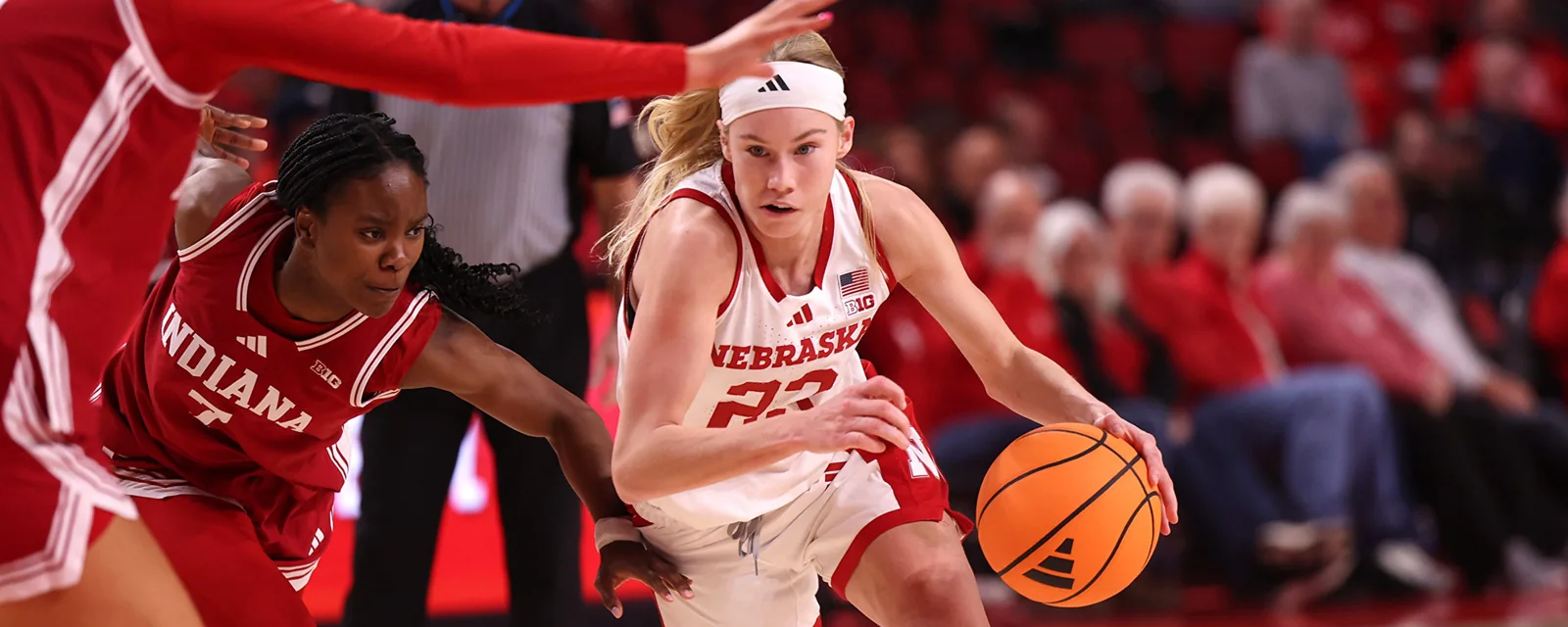
You do not need a detailed scouting spreadsheet to follow basketball more closely. After a game, write down one offensive pattern, one defensive adjustment and one question you want the next opponent to answer. Three useful observations are easier to remember than a page of disconnected statistics, and they give the next broadcast a clear point of interest.
Separate what you saw from what you inferred. A player taking fewer shots is observable; assuming that the coach has lost confidence in that player is an interpretation that may be wrong. Foul trouble, matchups and a planned rotation can all change a night's numbers. The official play-by-play and postgame comments can provide context, but they do not make every explanation certain.
Over several weeks, these small notes help you spot development without exaggerating single-game swings. They are particularly useful when comparing a team against different styles of opposition. You can ask whether the same problem persists, whether an adjustment worked and whether the next game supplies a fair test of the improvement you thought you saw.
Read a rotation without inventing a story
Substitution patterns provide useful information, but they do not reveal every private coaching decision. A different starting group or a shorter second-half rotation can reflect the opponent, foul trouble, availability or a specific tactical experiment. Describe the change first and look for an official explanation before assigning a personal motive to it.
A good place to start is the role rather than the name. Which lineup supplies another ball handler? Which group gives the defense more size? Who is trusted to organize a possession after the first option has been denied? These observations help explain why the same players may be combined differently from one game to the next.
Avoid treating every brief appearance as a permanent promotion or demotion. Early-season basketball often includes learning that is visible only across several games. If you write about a player's role, distinguish a confirmed season-long development from a single night's adjustment. Readers benefit more from that honest distinction than from a dramatic explanation that the available evidence cannot support.
Look beyond the defender nearest the ball
Good defense is a connected activity. The player guarding the ball can appear to make a mistake when the larger problem is a late rotation, an uncommunicated screen or missing help behind the play. Watch where the other defenders are positioned before deciding that one individual explains an entire possession.
The useful questions are practical. Does the defense steer the ball toward help? How does it recover after a screen? Can it contest a shot without conceding an easy offensive rebound? Different teams answer those questions with different schemes, so a preview should describe the intended approach before judging whether it has worked.
This perspective makes a matchup more engaging even during stretches without spectacular plays. A possession that ends in an ordinary contested jumper may represent excellent collective work. Conversely, an opponent can miss an open attempt after the defense has already broken down. Evaluating the process as well as the outcome helps a viewer avoid giving too much credit or blame to the final moment alone.
Treat start times as information, not decoration
A date without a time zone is only part of a viewing plan. Read the schedule's time convention before copying a tipoff into your calendar. The host institution may use its local zone, while your phone or streaming service may display a converted time. Check which convention applies instead of trying to correct a difference by guesswork.
Holiday events introduce another complication: the advertised slot can be tied to an earlier game in the same session. If an official listing says a game follows the previous contest, leave room for that condition. A fixed calendar alert is still useful, but it should not become a claim that the broadcast is late when the organizer has explained the sequence.
Use two reminders if a game is especially important to you. One can prompt a check of the current listing earlier in the day; the other can mark the expected start. The first reminder is often more valuable because it gives you time to discover a changed channel, an account problem or a venue adjustment without rushing.
Know what a replay can and cannot replace
A replay is valuable when the start time conflicts with work, school or another game, but it is worth checking the conditions before you rely on it. Live rights and replay availability are not interchangeable. The platform may specify when a full game becomes available, how long it remains accessible and whether the same account is required to watch it.
Look for the complete event rather than a highlights package if you want to evaluate the basketball. Highlights tend to show made shots, impressive blocks and the final possessions. They usually leave out the defensive adjustments, unsuccessful sets and ordinary stretches that explain how a game changed. A condensed replay can be useful, but its editing still shapes what you see.
If avoiding the score matters to you, open the replay through a saved event link instead of browsing a news feed. Turning off notifications is sensible as well. None of that guarantees a spoiler-free experience, but a little planning gives you a better chance of enjoying the contest on your own schedule.
Give early results the right amount of weight
The opening weeks supply useful clues, not a complete verdict. A strong performance against a particular style can show what a team is capable of, but it does not establish that the same plan will work against every opponent. The schedule, venue and available rotation all affect how much can reasonably be inferred from one result.
Look for repeatable features. Reliable decision-making under pressure, consistent defensive communication and the ability to create useful shots are more meaningful than one extraordinary shooting percentage. Even those qualities need to be tested against different levels and types of opposition before they become a strong basis for a season-long assessment.
I find it more helpful to frame an early observation as a question for the next game. Can the team repeat that rebounding effort away from home? Does the second unit still protect the ball against stronger pressure? That approach keeps the discussion grounded while giving readers a concrete reason to follow the schedule beyond the first impressive scoreline.
Sources & editorial notes
Reviewed on October 25, 2026. Publication dates follow the site's editorial calendar. Broadcast assignments and event details can change; check the official listing before buying access or travelling.