Team viewing guides
How to Watch UCLA Women’s Basketball in 2026–27
Following UCLA women's basketball works best when the schedule, the broadcast label and your viewing location are checked together. A familiar team name does no
By Basketball Schedule Editorial Team · Published · Updated · 8 min read
The practical starting point
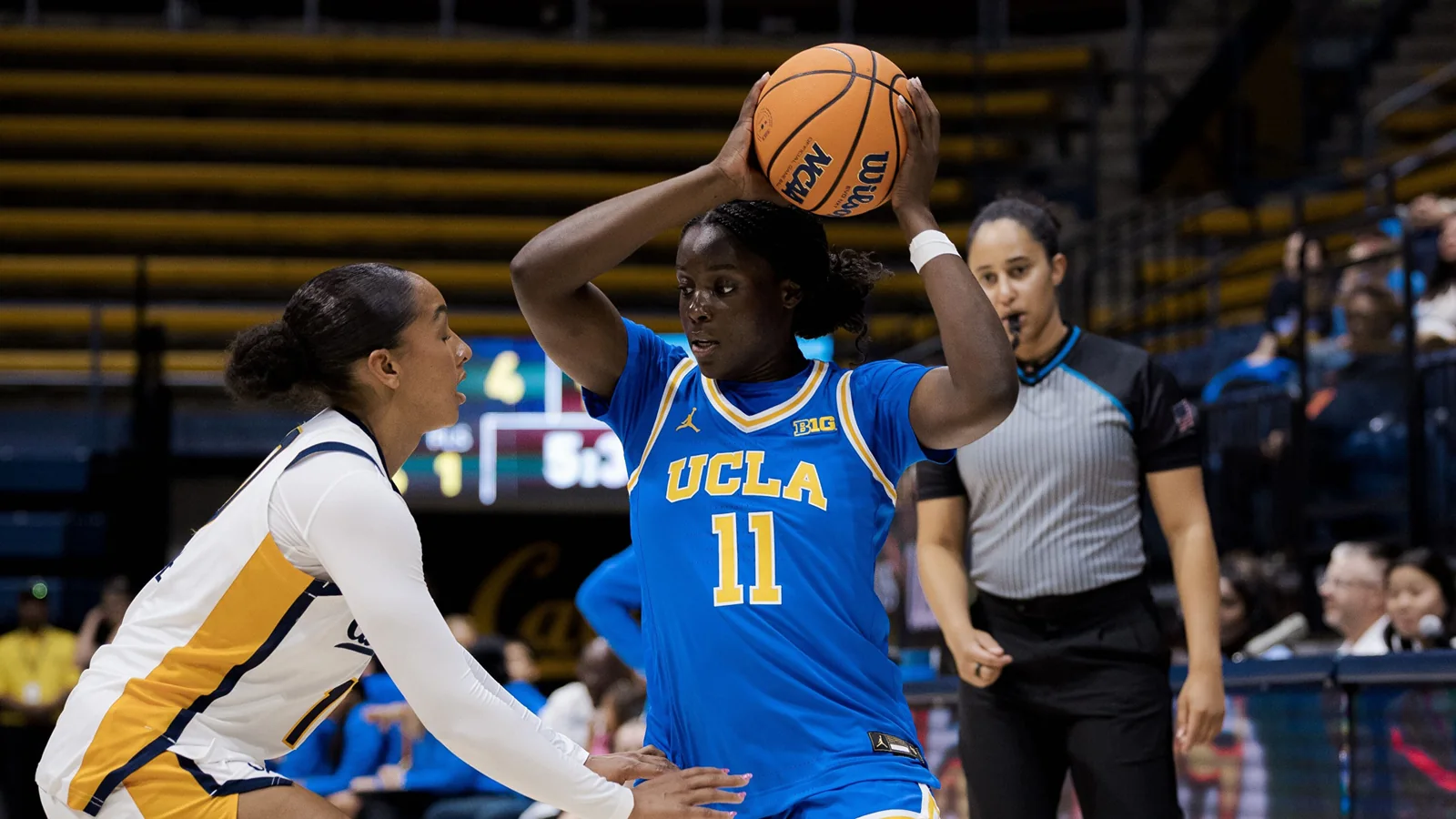
Following UCLA women's basketball works best when the schedule, the broadcast label and your viewing location are checked together. A familiar team name does not tell you which account opens a particular game. Nor does a home-game routine necessarily apply when the Bruins travel or take part in an event organized outside their usual setting.
Begin with UCLA's official women's basketball schedule. Confirm the opponent and date, then read the viewing information attached to that fixture. The Big Ten's wider broadcast announcements are valuable context, but they should not be stretched into a promise that one package carries every UCLA appearance. Distinguish television-channel access from a digital-only event when making the purchase decision.
UCLA's geography also makes time-zone awareness an important part of the plan. An away listing may use the host's local time, while your app displays a conversion. That difference is not necessarily an error. Read the convention and save the date with enough context that another person in your household can understand it without repeating the research.
I would use the less publicized games to learn how the team wants to play. Pay attention to defensive positioning, the first action in half-court possessions and the combinations used when a starter rests. Those observations help you evaluate a difficult opponent later without relying only on a ranking or a highlight clip.
A sensible viewing routine should be flexible enough for real life. Test the television app early, identify the replay route for inconvenient starts and keep the official audio link available. The rest of this guide explains how to make those decisions without paying for overlapping coverage simply because several services advertise that they carry college basketball.
Read the game listing before choosing a service
A useful viewing plan starts with a game, not with a subscription advertisement. Open the official schedule and identify the opponent, date, location and broadcast label for the exact fixture. Home games and away games can have different arrangements, and an exhibition may be distributed differently from a regular-season contest. A familiar logo on the page is not enough: follow the link beside the individual game.
Keep the date and the time zone together when you save the information. A schedule may display the home institution's local time, while a streaming app converts the start to your device settings. Those are two views of the same event, not necessarily a disagreement. When a listing says television information is pending, treat that as unfinished information rather than permission to assume last year's channel will return.
I would make one final check on game day, especially before paying for access. A screenshot from August is useful evidence of what was announced then, but the current official event page is the better place to resolve a late change.
Treat start times as information, not decoration
A date without a time zone is only part of a viewing plan. Read the schedule's time convention before copying a tipoff into your calendar. The host institution may use its local zone, while your phone or streaming service may display a converted time. Check which convention applies instead of trying to correct a difference by guesswork.
Holiday events introduce another complication: the advertised slot can be tied to an earlier game in the same session. If an official listing says a game follows the previous contest, leave room for that condition. A fixed calendar alert is still useful, but it should not become a claim that the broadcast is late when the organizer has explained the sequence.
Use two reminders if a game is especially important to you. One can prompt a check of the current listing earlier in the day; the other can mark the expected start. The first reminder is often more valuable because it gives you time to discover a changed channel, an account problem or a venue adjustment without rushing.
Away games deserve their own broadcast check
Following one team does not mean that every game has the same distribution. The venue, the event organizer and the applicable rights arrangements can affect where a broadcast appears. A familiar home-game routine therefore should not become an automatic assumption when the team travels. Neutral-site games deserve the same extra attention.
Read both institutions' listings when something looks inconsistent. One schedule may have been updated sooner, or a link may point to audio rather than video. The host's current event page and the broadcaster's own schedule can help resolve the difference. Check the actual opponent and date so that you do not open a previous meeting or a different sport with a similar label.
This matters particularly around holiday events and the transition into conference play. A supporter who watched the opening home games through one route can reasonably expect continuity, yet the next road contest may require a different authorized service. Checking those dates as a group at the beginning of the month makes the season easier to manage and reduces last-minute purchases.
Build a viewing budget around the games you will actually watch
Start by listing the games you genuinely expect to see live. Then place the announced broadcast label beside each one. This turns a vague question about the best streaming package into a practical comparison of coverage you need and coverage you would rarely use. There is little value in the cheapest advertised plan if it excludes most of your chosen games.
Compare the full checkout terms rather than a promotional headline. Look for the billing interval, renewal date, taxes where applicable and any requirement to maintain another service. If an annual offer is available, work out how many months you would otherwise keep the subscription. Do not assume the season, the billing year and the promotional period end together.
A modest calendar reminder can prevent an unwanted renewal, but it should follow the provider's stated cancellation procedure. Keep the confirmation after making a change. I would rather pay deliberately for a package I understand than assemble several overlapping subscriptions because every advertisement seems to imply it is the only way to follow the sport.
Get the television ready before tipoff
A broadcast can be available in your account and still be awkward to watch on the device you intended to use. Test the complete setup before the first game that matters to you. Install the supported app on the television or streaming device, sign in, and play an available video. Testing only on a phone does not confirm that the living-room setup is ready.
If activation uses a code, check that the television and the browser are authorizing the same account. A household can easily accumulate an old email address, a current subscription and a separate television-provider login. The resulting confusion can look like a broken stream when the actual problem is that the wrong identity has been linked.
Keep a supported browser available as a backup. If the television app fails, a working browser can help distinguish a device issue from an account issue. Save the provider's help page as well as the event page. You want a short route to the correct information, not a hurried search through unofficial troubleshooting videos while the game is already underway.
Look beyond the defender nearest the ball
Good defense is a connected activity. The player guarding the ball can appear to make a mistake when the larger problem is a late rotation, an uncommunicated screen or missing help behind the play. Watch where the other defenders are positioned before deciding that one individual explains an entire possession.
The useful questions are practical. Does the defense steer the ball toward help? How does it recover after a screen? Can it contest a shot without conceding an easy offensive rebound? Different teams answer those questions with different schemes, so a preview should describe the intended approach before judging whether it has worked.
This perspective makes a matchup more engaging even during stretches without spectacular plays. A possession that ends in an ordinary contested jumper may represent excellent collective work. Conversely, an opponent can miss an open attempt after the defense has already broken down. Evaluating the process as well as the outcome helps a viewer avoid giving too much credit or blame to the final moment alone.
Smaller games can be the best place to learn a team
A game without a dramatic national ranking attached can still tell you a great deal. Watch how a team begins each half, which players initiate the offense and how the rotation changes when the first substitutes enter. Those patterns are easier to recognize when you are not focused entirely on the scoreboard or the reputation of the opponent.
Consider the competitive context before drawing sweeping conclusions. A comfortable home win and a demanding road game ask different questions of a roster. The useful comparison is not simply the final margin. Look at ball security, defensive positioning and whether the team creates the kinds of shots its offense is designed to produce.
This is also a reason to value complete broadcasts rather than relying only on clips from the biggest games. A few ordinary possessions can reveal more about a developing role than a spectacular highlight. Keep your observations modest and specific. Noticing that a guard handled pressure more calmly is more informative than declaring that one November performance proves what will happen in March.
Sources & editorial notes
Reviewed on October 25, 2026. Publication dates follow the site's editorial calendar. Broadcast assignments and event details can change; check the official listing before buying access or travelling.