
Team viewing guides
How to Watch South Carolina Women’s Basketball in 2026–27
Following South Carolina women's basketball is simpler when you separate the team's identity from the broadcaster carrying a particular game. The Gamecocks may
By Basketball Schedule Editorial Team · Published · Updated · 8 min read
The practical starting point
Following South Carolina women's basketball is simpler when you separate the team's identity from the broadcaster carrying a particular game. The Gamecocks may be central to your season, but that does not mean one familiar app automatically provides every home game, road trip and tournament appearance.
Use the official South Carolina schedule to identify the current broadcast assignment. For conference games, SEC announcements offer useful background, while the individual fixture supplies the information you need at the moment of viewing. Nonconference travel and neutral-site events should be checked independently. An older article about how to watch a previous opponent is not a substitute for the new listing.
A complete season also rewards attention beyond the nationally promoted contests. Watch how different lineups defend the paint, finish possessions and create offense when the first action is denied. Those are useful questions whether South Carolina is facing a familiar league opponent or a team presenting a different style outside the conference.
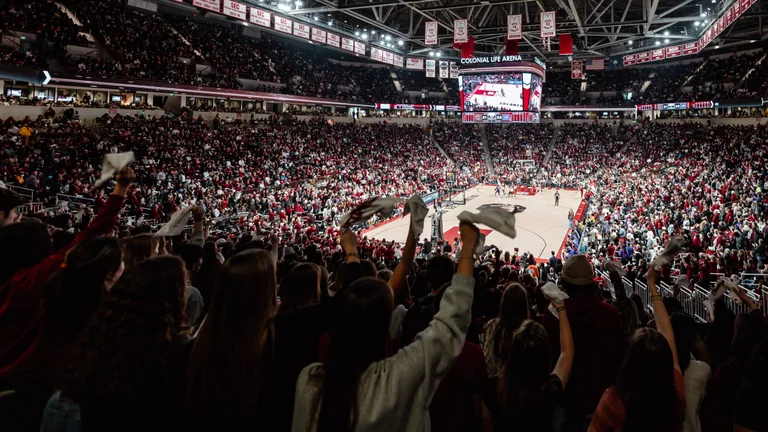
If you plan to attend rather than stream, begin with the institution's official ticket information. Availability, entry policies and the correct session should be confirmed there before making any purchase. A photograph of a busy arena or an old announcement about tickets does not establish what is available for the date you are considering now.
For home viewing, I would organize the next few fixtures by broadcast label and test the service needed for the first one. Keep the radio link available for evenings when travel or technology interrupts the plan. That gives you a reliable route to the game without turning every new broadcast announcement into another automatic subscription purchase. The remaining sections explain how to maintain that routine through the changing demands of the season.
Read the game listing before choosing a service
A useful viewing plan starts with a game, not with a subscription advertisement. Open the official schedule and identify the opponent, date, location and broadcast label for the exact fixture. Home games and away games can have different arrangements, and an exhibition may be distributed differently from a regular-season contest. A familiar logo on the page is not enough: follow the link beside the individual game.
Keep the date and the time zone together when you save the information. A schedule may display the home institution's local time, while a streaming app converts the start to your device settings. Those are two views of the same event, not necessarily a disagreement. When a listing says television information is pending, treat that as unfinished information rather than permission to assume last year's channel will return.
I would make one final check on game day, especially before paying for access. A screenshot from August is useful evidence of what was announced then, but the current official event page is the better place to resolve a late change.
Separate the app from the access you have bought
An app is a doorway, not a promise that every event inside it is included in your account. Broadcasters often display several channels and subscription products through one interface. That makes browsing convenient, but it also explains why a game can appear in your search results and still ask you to authenticate or purchase something else.
Before checking out, find the plan's own description of its live sports access. Match that description to the label on your chosen game. A package carrying a television network and a subscription carrying a digital-only event are different things, even when they use related branding. Avoid buying a second package simply because the first attempt produces an unfamiliar login prompt.
The sensible question is specific: does this account include this particular broadcast where I live? If the answer remains unclear, use the provider's official support information. A short clarification before payment is much easier than discovering an entitlement problem after tipoff, when you are trying to solve it while also following the score.
Away games deserve their own broadcast check
Following one team does not mean that every game has the same distribution. The venue, the event organizer and the applicable rights arrangements can affect where a broadcast appears. A familiar home-game routine therefore should not become an automatic assumption when the team travels. Neutral-site games deserve the same extra attention.
Read both institutions' listings when something looks inconsistent. One schedule may have been updated sooner, or a link may point to audio rather than video. The host's current event page and the broadcaster's own schedule can help resolve the difference. Check the actual opponent and date so that you do not open a previous meeting or a different sport with a similar label.
This matters particularly around holiday events and the transition into conference play. A supporter who watched the opening home games through one route can reasonably expect continuity, yet the next road contest may require a different authorized service. Checking those dates as a group at the beginning of the month makes the season easier to manage and reduces last-minute purchases.
Build a viewing budget around the games you will actually watch
Start by listing the games you genuinely expect to see live. Then place the announced broadcast label beside each one. This turns a vague question about the best streaming package into a practical comparison of coverage you need and coverage you would rarely use. There is little value in the cheapest advertised plan if it excludes most of your chosen games.
Compare the full checkout terms rather than a promotional headline. Look for the billing interval, renewal date, taxes where applicable and any requirement to maintain another service. If an annual offer is available, work out how many months you would otherwise keep the subscription. Do not assume the season, the billing year and the promotional period end together.
A modest calendar reminder can prevent an unwanted renewal, but it should follow the provider's stated cancellation procedure. Keep the confirmation after making a change. I would rather pay deliberately for a package I understand than assemble several overlapping subscriptions because every advertisement seems to imply it is the only way to follow the sport.
Keep official audio and live statistics as practical alternatives
Not every situation calls for another paid video subscription. Official radio coverage and an authorized live-statistics feed can keep you connected when you are travelling, working away from a screen or unable to resolve a device problem. They serve different purposes: commentary provides the flow of the game, while a box score gives you a more structured record of possessions and individual production.
Follow the links on the institution's own game page. Search results can surface an unrelated station, an old broadcast or a promotional page that does not actually carry the event. If you are using a mobile connection, check your data allowance and the reliability of coverage along your route before treating a stream as your only option.
Be patient with small differences between audio, video and live statistics. The feeds can update at different speeds. A score alert arriving before a shot appears on television is not proof that one of them is wrong. Choose the feed that suits your circumstances, and avoid refreshing several competing sources so often that you lose the rhythm of the game.
Watch how possessions end
A defensive stop is not complete until the defense secures the ball. That simple point is easy to overlook when attention stays on shot blocking or the first contested attempt. An opponent that repeatedly collects offensive rebounds can turn a strong initial defensive effort into another difficult possession and eventually into foul trouble or an open shot.
Watch the players away from the ball as the attempt goes up. Who makes contact, who follows the flight of the shot and who leaves early in anticipation of transition? A rebound can depend on positioning and shared responsibility rather than the height of the player who ultimately records it. Guards have important jobs here too.
The trade-off at the other end is worth tracking. Sending extra players toward an offensive rebound can create second chances, but it can also leave fewer defenders ready to stop a break. A preview should explain that tension instead of treating more offensive rebounding as an automatic good. The value depends on the chances created and the opportunities conceded.
What to read after the final buzzer
Start with the official final score and box score, then read a recap that describes how the game developed. Those sources help correct the impressions a broadcast can leave. A late run may make the margin look comfortable even when the contest was close for most of the night, while a poor final minute can exaggerate the apparent difference between the teams.
Look for explanations of adjustments rather than quotations selected only for drama. Coaching comments can identify a coverage change or a specific rebounding concern, but they should still be attributed and placed in context. A postgame explanation is one perspective on the contest, not a reason to ignore the actual sequence of possessions.
Carry a small number of questions forward to the next fixture. That is particularly useful during a long season, when the temptation is to swing from certainty to panic after every result. Following the connection between games helps readers understand development, and it gives a schedule page a purpose beyond simply displaying the next date.
Sources & editorial notes
Reviewed on October 25, 2026. Publication dates follow the site's editorial calendar. Broadcast assignments and event details can change; check the official listing before buying access or travelling.