
Rivalry stories
South Carolina vs. LSU Women’s Basketball: A Rivalry Guide
South Carolina against LSU is compelling because it connects national attention with the everyday demands of a conference season. The game is not played in isol
By Basketball Schedule Editorial Team · Published · Updated · 8 min read
The practical starting point
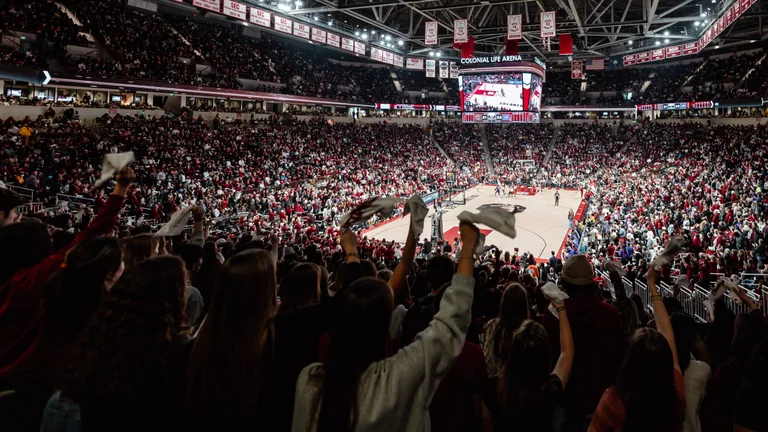
South Carolina against LSU is compelling because it connects national attention with the everyday demands of a conference season. The game is not played in isolation: the result becomes part of league positioning, the wider schedule and each team's developing body of work. That context makes the matchup more useful to examine than a simple contest between reputations.
Official records give the discussion a reliable foundation. South Carolina's box score from February 12, 2023 records an 88–64 home win over LSU in Columbia. A later LSU recap records a 79–72 South Carolina win on February 14, 2026. These are individual reference points, not a substitute for checking the complete series history or a claim that the current teams must reproduce either result.
The margins also illustrate why rivalry analysis needs more than one number. A game can change through second chances, foul pressure, ball security or a late adjustment that is not obvious from the final score. Use the box score and play-by-play to investigate those possibilities instead of selecting a dramatic explanation first and searching for supporting evidence afterward.
I would watch the next confirmed meeting with particular attention to how possessions end. Does an initial defensive stop become a secured rebound? Can the offense avoid giving away easy transition opportunities? Which team still creates a useful shot when its preferred option has been denied? Those questions give supporters of either program a fair way to evaluate the contest.
For current television information, return to the official fixture. A previous meeting's channel, start time or ticket arrangement should not be assumed to apply. This guide explains the rivalry's appeal and supplies a method for following its next chapter without confusing historical results with an announcement about an unconfirmed future game.
Read a historical result in its own context
An old score is useful evidence, but it is not the entire story of a game. Establish the season, the venue and whether the meeting belonged to the regular season or a tournament. A road win in November and a national championship game can both matter deeply while carrying very different competitive consequences.
Use the institution's opponent-history records and official box scores to check the basic facts. If a series total is included, attach a clear cutoff date. A total without that context can become inaccurate after the next meeting, especially when an article is updated for a new season. Historical accuracy is easier to maintain when each claim has a traceable source.
Then explain what the result changed. It might have influenced a title race, demonstrated a tactical adjustment or established confidence against a difficult opponent. Avoid assuming that a margin alone proves dominance across an entire era. A strong rivalry article lets individual games illuminate the larger story without forcing every detail into a predetermined argument about which program is superior.
A rivalry should be explained through basketball, not slogans
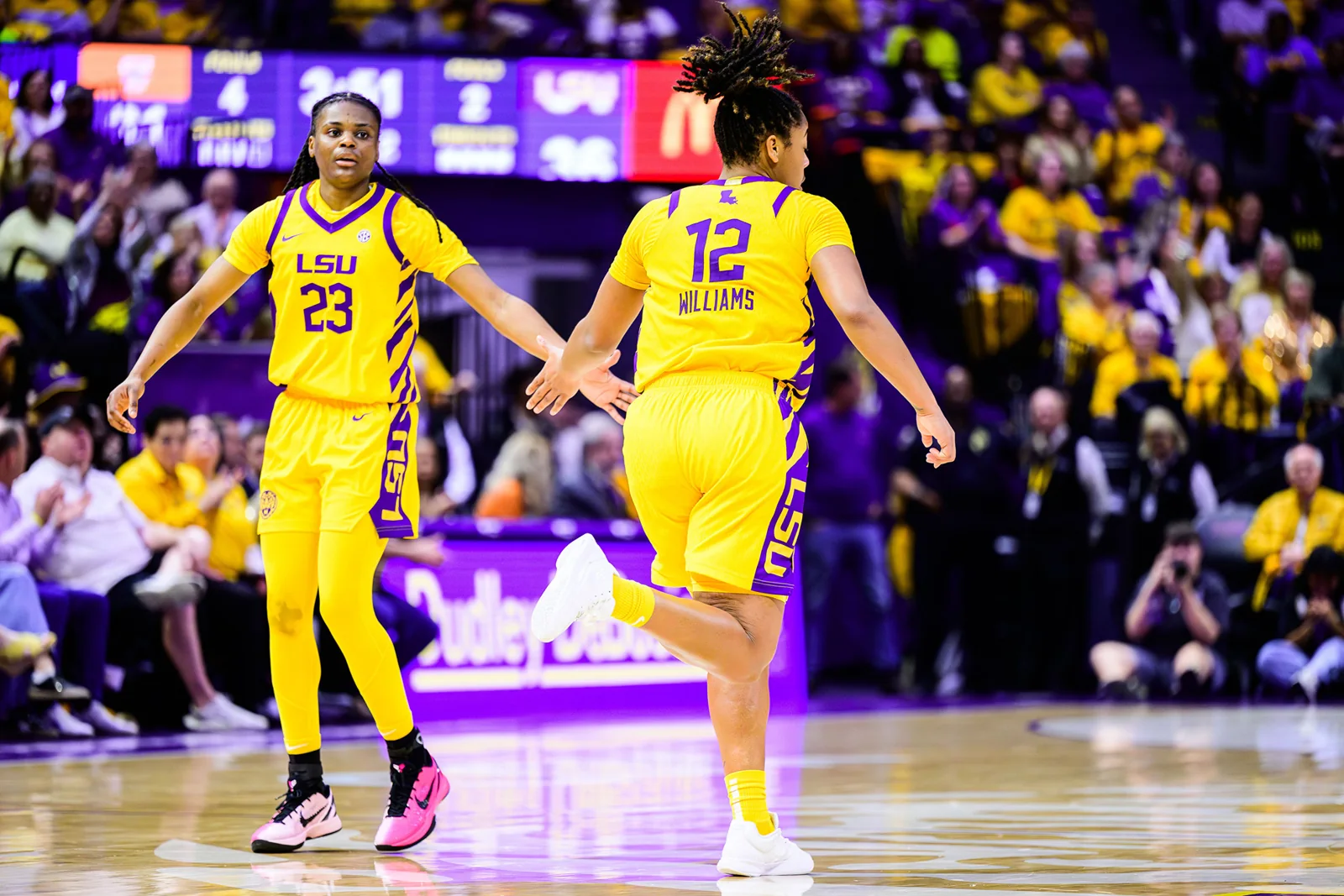
A rivalry becomes interesting when the games repeatedly ask important questions of the programs involved. Coaching continuity, contrasting styles and high-stakes meetings can all contribute to that story. The useful work is to explain those connections, not simply to repeat that both fan bases dislike losing or that every meeting feels like a championship.
Choose a few specific themes and follow them across time. Perhaps one side has often tried to speed the game up, while the other has relied on patient execution. Perhaps a particular tournament meeting changed how the next generation of supporters understood the matchup. Use official results and attributable accounts to establish what happened before offering an interpretation of why it mattered.
Leave room for the rivalry to change. Rosters, coaching staffs and competitive circumstances move on. A previous era can explain the attention surrounding a game without dictating how the current teams will play. That combination of historical perspective and present-day analysis gives readers something richer than a collection of old scores attached to a new date.
Understand pace before comparing the scorelines
Points alone do not explain whether an offense played well. A faster game provides more opportunities to score, while a slower contest can produce a smaller total even when the possessions are efficient. Before comparing two results, look at the tempo and at how often each team actually had a meaningful chance to attack.
Transition opportunities are especially important. A live-ball turnover can create an immediate advantage before the defense is set. A missed shot with poor floor balance can do something similar. If a team appears to have solved its scoring problems through a run of easy baskets, ask whether that opportunity is likely to exist against the next opponent.
For a viewer, this makes ordinary stretches worth attention. Notice which team controls the speed after a made basket, how quickly the ball crosses half court and whether the offense gets an early good look or merely an early attempt. Fast and rushed are not the same thing. A matchup becomes much easier to understand when you can tell the difference.
Watch how possessions end
A defensive stop is not complete until the defense secures the ball. That simple point is easy to overlook when attention stays on shot blocking or the first contested attempt. An opponent that repeatedly collects offensive rebounds can turn a strong initial defensive effort into another difficult possession and eventually into foul trouble or an open shot.
Watch the players away from the ball as the attempt goes up. Who makes contact, who follows the flight of the shot and who leaves early in anticipation of transition? A rebound can depend on positioning and shared responsibility rather than the height of the player who ultimately records it. Guards have important jobs here too.
The trade-off at the other end is worth tracking. Sending extra players toward an offensive rebound can create second chances, but it can also leave fewer defenders ready to stop a break. A preview should explain that tension instead of treating more offensive rebounding as an automatic good. The value depends on the chances created and the opportunities conceded.
Three questions can organize a whole broadcast
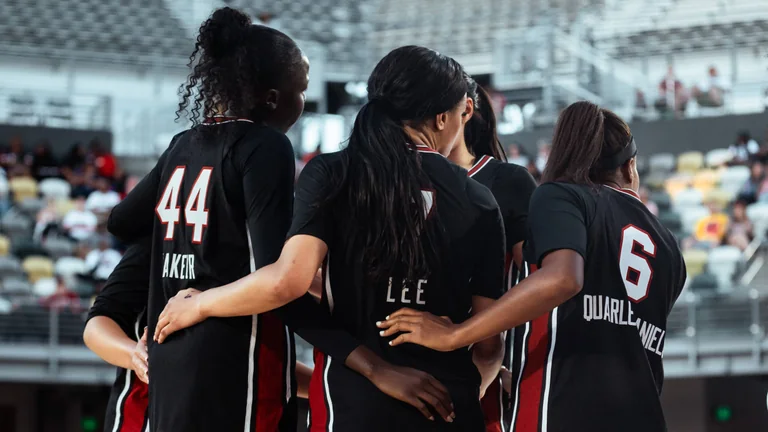
Before watching, choose three questions that connect directly to the matchup. One might concern ball handling against pressure, another the defensive glass and another the source of reliable scoring when the first option disappears. A small set of questions gives the game structure without turning casual viewing into a complicated scouting assignment.
Return to the questions at halftime. Did the first quarter support the preview, or did a coach find a different way to create an advantage? Was the apparent success repeatable, or did it depend on a short run of difficult shots? Adjust your interpretation when the evidence changes instead of forcing every possession to confirm your original expectation.
After the game, answer each question briefly using the official statistics and what you actually observed. A favorite losing does not make every part of the performance poor, just as a win does not settle every concern. The value of this method is that it keeps your attention on the basketball and gives the next game a meaningful starting point.
Finding the next meeting without guessing
Supporters understandably want a simple answer about the next game, but a rivalry's reputation does not guarantee an annual meeting on an assumed date. Check both official schedules and distinguish a confirmed fixture from a possible tournament encounter. A bracket-dependent meeting should be described as a possibility until the event's results actually establish it.
When a game is confirmed, record the date, venue, time convention and broadcast status together. A neutral-site announcement may have separate ticket or session instructions, and television information can be added after the matchup itself is announced. It is better to state that an element is pending than to fill the gap with last season's arrangement.
Keep the historical article separate from the live schedule page. The history explains why people care; the schedule provides the information that changes most often. Linking the two gives readers both forms of value and makes maintenance more reliable. An updated fixture should not require rewriting the entire rivalry narrative or leave an old date buried halfway through the story.
What to read after the final buzzer
Start with the official final score and box score, then read a recap that describes how the game developed. Those sources help correct the impressions a broadcast can leave. A late run may make the margin look comfortable even when the contest was close for most of the night, while a poor final minute can exaggerate the apparent difference between the teams.
Look for explanations of adjustments rather than quotations selected only for drama. Coaching comments can identify a coverage change or a specific rebounding concern, but they should still be attributed and placed in context. A postgame explanation is one perspective on the contest, not a reason to ignore the actual sequence of possessions.
Carry a small number of questions forward to the next fixture. That is particularly useful during a long season, when the temptation is to swing from certainty to panic after every result. Following the connection between games helps readers understand development, and it gives a schedule page a purpose beyond simply displaying the next date.
Sources & editorial notes
Reviewed on October 25, 2026. Publication dates follow the site's editorial calendar. Broadcast assignments and event details can change; check the official listing before buying access or travelling.