
Matchup analysis
How to Choose the Best Nonconference Women’s Basketball Games in 2026–27
The best nonconference women's basketball games do more than put two recognizable brands on television. They expose a team to unfamiliar solutions, different le
By Basketball Schedule Editorial Team · Published · Updated · 7 min read
The practical starting point
The best nonconference women's basketball games do more than put two recognizable brands on television. They expose a team to unfamiliar solutions, different levels of physical pressure and opponents that may not resemble its regular league competition. That is what makes the early national schedule worth studying rather than merely collecting as a list of famous names.
I would build a watch list around three kinds of tests. First, look for a difficult road game, where the visiting team must communicate and execute outside its normal setting. Second, choose a genuine contrast in styles, such as a pressure defense against an offense built on careful possession management. Third, include a neutral-site meeting that places strong programs in an unusual preparation window.
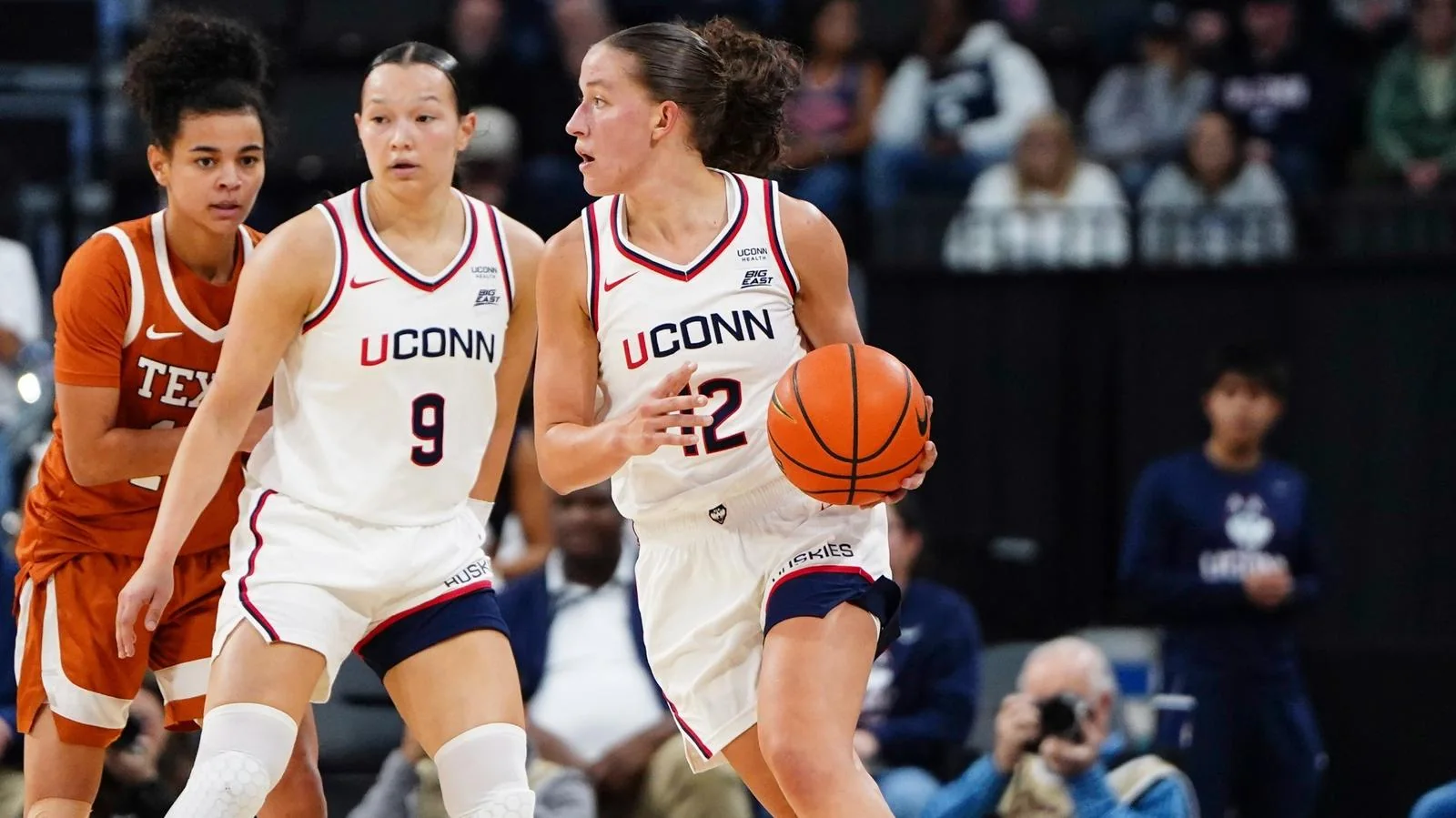
UConn, South Carolina, LSU, Texas, Iowa, USC and UCLA are useful starting points when exploring the national schedule, but their names alone should not decide the list. Check the confirmed fixtures, the available lineups and the competitive context. A meeting scheduled months earlier can ask a different question if a program's personnel or circumstances change.
Be precise about what has been announced. A possible meeting in a tournament is not a confirmed game, and a television assignment is not established by a writer's expectation. The linked schedule pages help you navigate the season; the institutions and event organizers remain the sources for details affecting travel or access.
The following sections explain how to judge the quality of a test and what to watch once the game begins. The aim is not to declare November's winner of March. It is to identify the contests most likely to teach us something useful about how teams solve problems before the conference schedule becomes the main focus.
Compare opponents by the problems they create
A useful matchup preview begins with style rather than a list of famous names. Ask how each team wants to create shots, how it protects the paint and what happens when the preferred approach is disrupted. Two strong teams can produce a poor stylistic matchup for one side, while a less celebrated opponent may test a weakness that rankings do not make obvious.
Choose a small number of measurable questions. Can the ball handlers handle pressure without surrendering live-ball turnovers? Can the defensive rebounders finish possessions against extra bodies near the rim? Does either team have a reliable way to generate a shot when its first action fails? Those questions are more revealing than an unsupported prediction about who wants the game more.
Be careful with early-season percentages. A few unusually hot or cold shooting nights can move a small sample dramatically. Explain what the numbers suggest and what they cannot establish yet. The best preview gives readers something to watch during the game even if the result develops very differently from the writer's expectation.
A neutral floor changes more than the address
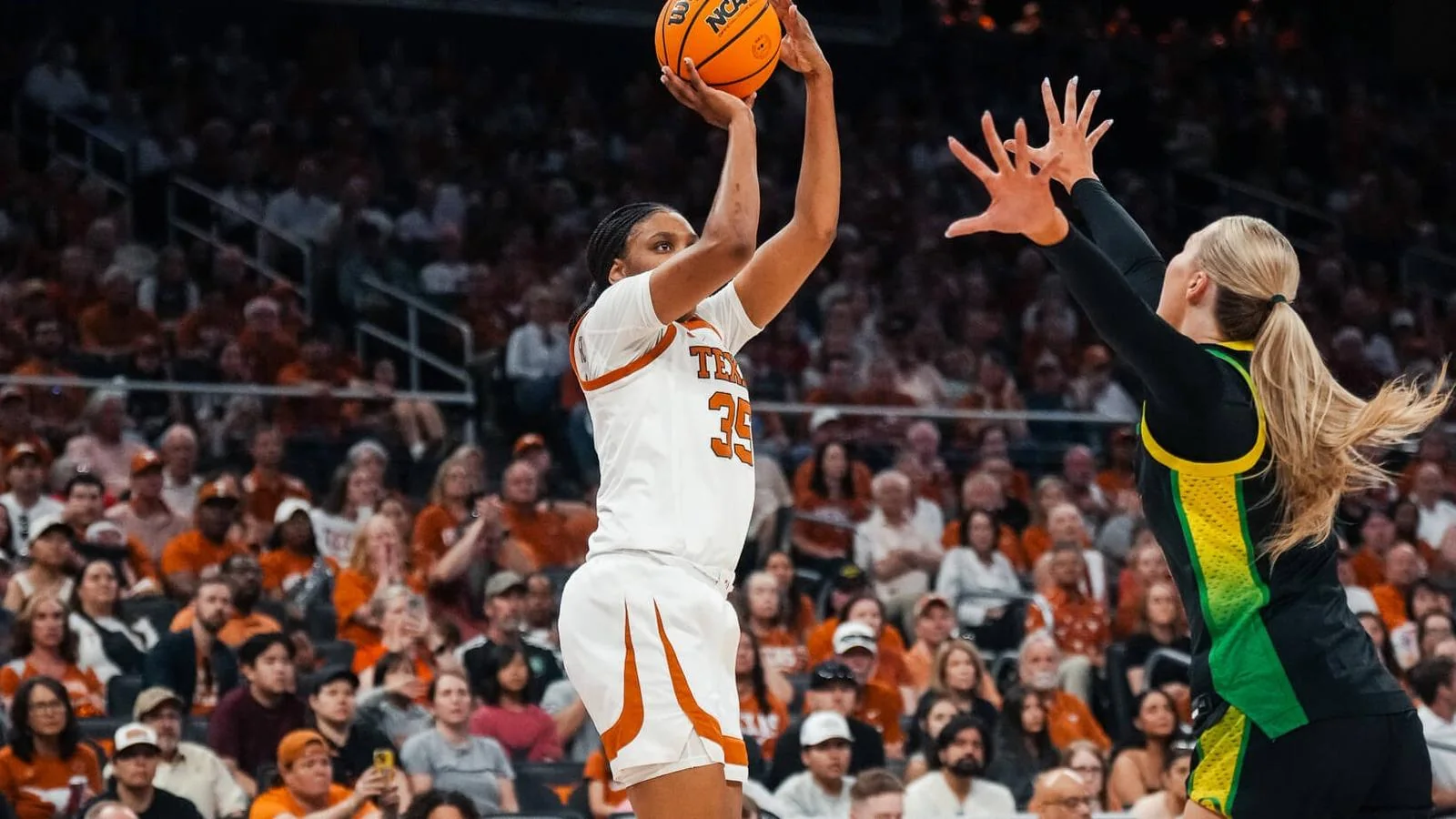
A neutral-site game removes some familiar routines without guaranteeing that the atmosphere is neutral. Travel distance, local support and the event's ticket distribution can still give one team a noticeable crowd advantage. Describe the setting accurately rather than assuming that a shared venue means equal conditions in every practical sense.
For the teams, the building can affect the rhythm of preparation. Shooting backgrounds, practice access and the timing of earlier games may differ from a normal home date. Those factors are worth noting, but they should not become ready-made excuses for every missed shot or slow start. Both sides still have to solve the basketball problems in front of them.
For supporters, confirm the session as well as the venue. A ticket may apply to a particular group of games, and a broadcast listing may sit inside a longer event window. Read the organizer's current instructions before planning meals, transport or a connection between games. A little attention to the event format can save a great deal of confusion on arrival.
Understand pace before comparing the scorelines
Points alone do not explain whether an offense played well. A faster game provides more opportunities to score, while a slower contest can produce a smaller total even when the possessions are efficient. Before comparing two results, look at the tempo and at how often each team actually had a meaningful chance to attack.
Transition opportunities are especially important. A live-ball turnover can create an immediate advantage before the defense is set. A missed shot with poor floor balance can do something similar. If a team appears to have solved its scoring problems through a run of easy baskets, ask whether that opportunity is likely to exist against the next opponent.
For a viewer, this makes ordinary stretches worth attention. Notice which team controls the speed after a made basket, how quickly the ball crosses half court and whether the offense gets an early good look or merely an early attempt. Fast and rushed are not the same thing. A matchup becomes much easier to understand when you can tell the difference.
Watch how possessions end
A defensive stop is not complete until the defense secures the ball. That simple point is easy to overlook when attention stays on shot blocking or the first contested attempt. An opponent that repeatedly collects offensive rebounds can turn a strong initial defensive effort into another difficult possession and eventually into foul trouble or an open shot.
Watch the players away from the ball as the attempt goes up. Who makes contact, who follows the flight of the shot and who leaves early in anticipation of transition? A rebound can depend on positioning and shared responsibility rather than the height of the player who ultimately records it. Guards have important jobs here too.
The trade-off at the other end is worth tracking. Sending extra players toward an offensive rebound can create second chances, but it can also leave fewer defenders ready to stop a break. A preview should explain that tension instead of treating more offensive rebounding as an automatic good. The value depends on the chances created and the opportunities conceded.
Handle player availability carefully
A preview can change quickly when an important player is unavailable, but uncertainty should remain uncertainty until a reliable source resolves it. Use official team announcements and attributed reporting. An absent social-media photograph, a short practice clip or a rumor in a comment thread is not a dependable medical update.
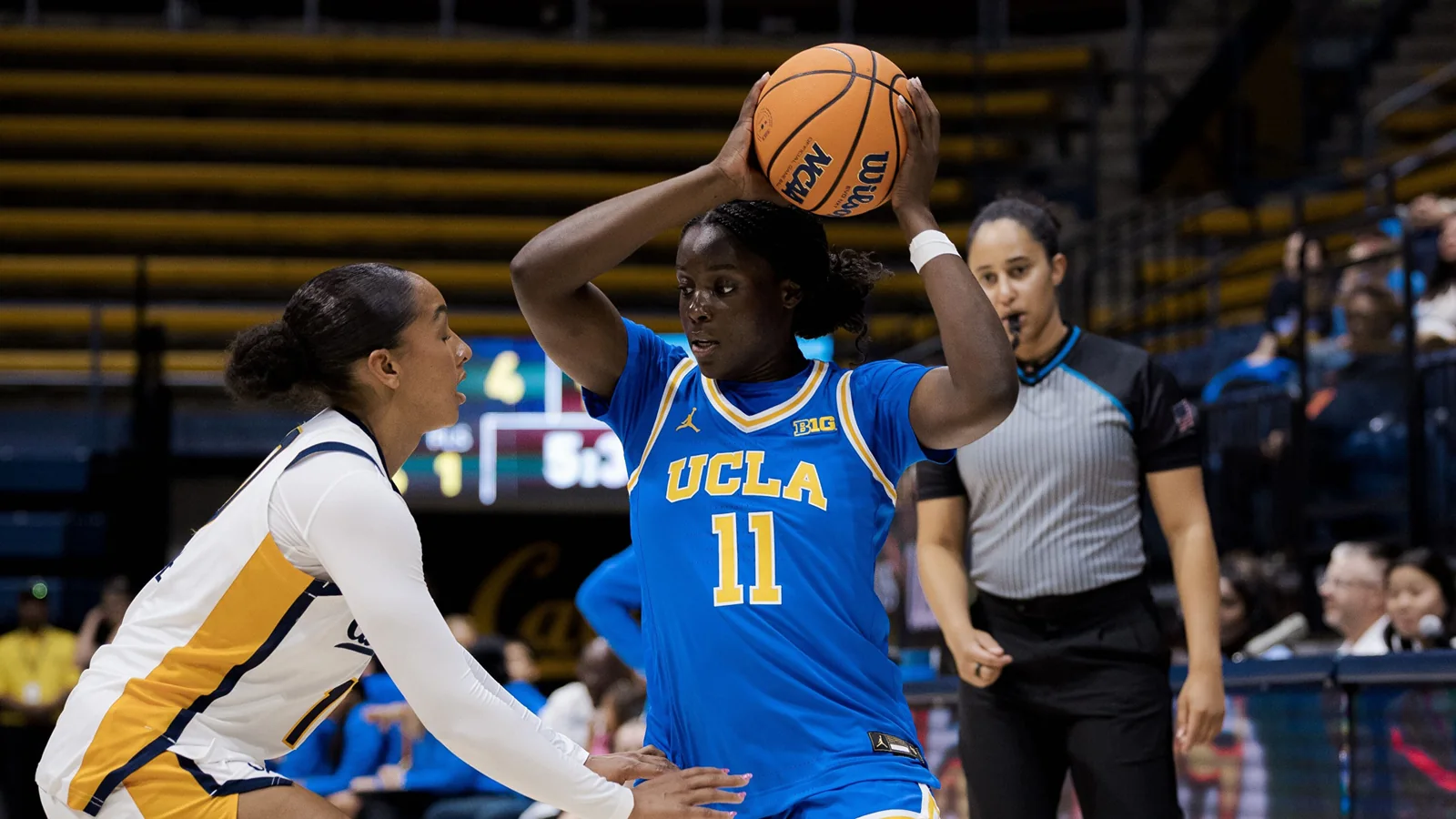
Explain the basketball consequence without speculating about a diagnosis. If the team loses a primary ball handler, another player may have to organize more possessions. If a frontcourt option is missing, rebounding responsibility and substitution flexibility may change. Those are tactical questions that can be discussed without pretending to know private health information.
Check the timing of the report. A status from an earlier game may not apply to the next one, and a return to practice does not automatically establish a full competitive role. Before publishing a projected lineup, label it as a projection and state the basis for it. That small distinction respects both the player and the reader who is trying to understand the matchup.
Give early results the right amount of weight
The opening weeks supply useful clues, not a complete verdict. A strong performance against a particular style can show what a team is capable of, but it does not establish that the same plan will work against every opponent. The schedule, venue and available rotation all affect how much can reasonably be inferred from one result.
Look for repeatable features. Reliable decision-making under pressure, consistent defensive communication and the ability to create useful shots are more meaningful than one extraordinary shooting percentage. Even those qualities need to be tested against different levels and types of opposition before they become a strong basis for a season-long assessment.
I find it more helpful to frame an early observation as a question for the next game. Can the team repeat that rebounding effort away from home? Does the second unit still protect the ball against stronger pressure? That approach keeps the discussion grounded while giving readers a concrete reason to follow the schedule beyond the first impressive scoreline.
A tournament resume is a body of work
Tournament discussion often narrows a season to one dramatic win or loss. That is understandable, but selection involves comparing complete records within the governing criteria. The value of a result depends on the opponent, the location and the wider schedule. A familiar program name is not a fixed guarantee of how a game will be evaluated.
Separate selection from seeding and from the construction of the bracket. Those are connected tasks, but they answer different questions: who belongs in the field, how the qualified teams compare and where they are placed within the applicable principles. Treating them as one calculation leads to confusion when an outcome does not resemble a simple ranking list.
For a supporter, the useful habit is to follow the whole schedule and check the official selection resources as March approaches. Do not assume that a particular win total, poll position or metric automatically guarantees an at-large place. A careful explanation can identify strengths and weaknesses in a resume without claiming to possess the committee's private vote.
Sources & editorial notes
Reviewed on October 25, 2026. Publication dates follow the site's editorial calendar. Broadcast assignments and event details can change; check the official listing before buying access or travelling.